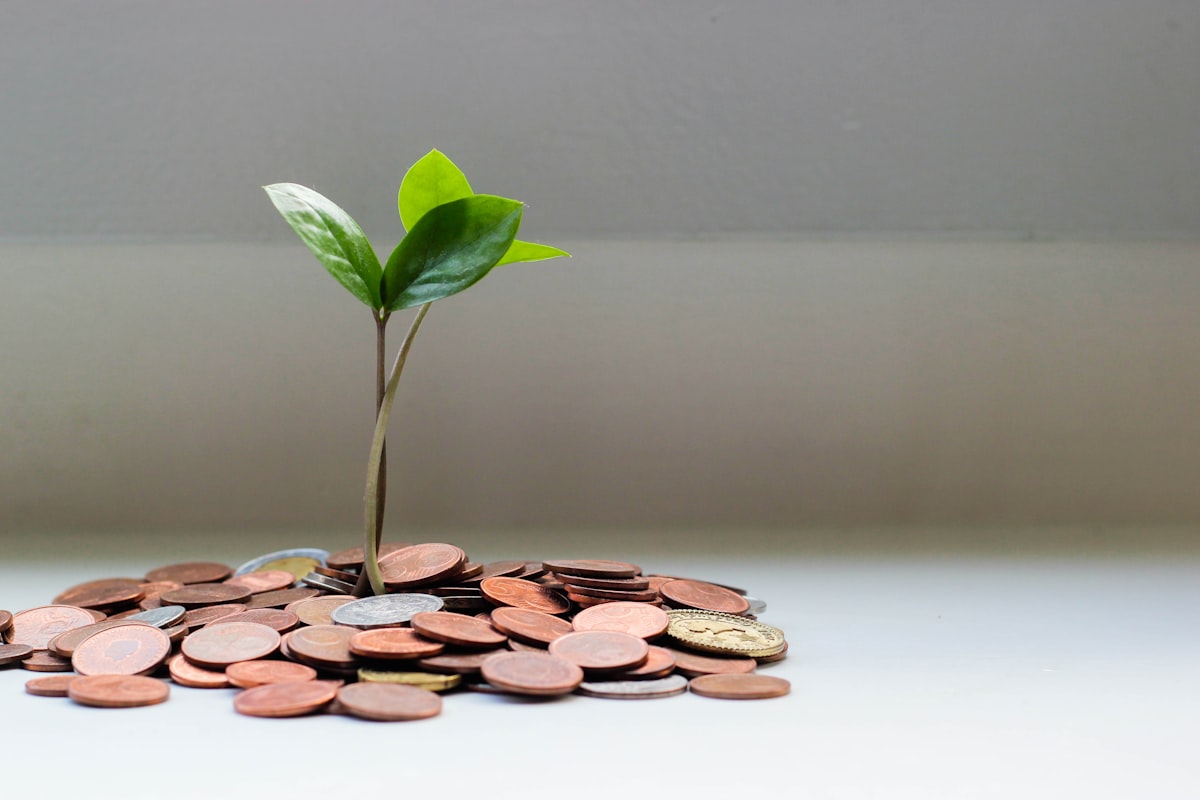
When managing your Budget for a Ghana Build while earning in pounds or dollars, a currency strategy is essential. This guide covers budgeting for a Ghana build while earning in pounds or dollars. The cedi fluctuates. Costs change. What you budgeted last year may not cover this year’s costs.
How To Budget for a Ghana Build When You Are Paid in Pounds or Dollars essentials
Always Budget in Cedis
Get quotes and estimates in GHS, not foreign currency. This gives you a consistent baseline for comparison.
Build in Contingency
Build in a 20-30% contingency for currency fluctuations. The cedi can move significantly against major currencies in a short period. If your project has already stalled because the budget ran out, do not guess how much finishing will cost — run the Project Recovery Diagnostic on what is already built before you send more money.
Open a Ghana Bank Account
Maintain a Ghana bank account and reserve. This allows you to exchange at favorable rates and avoid repeated wire transfer fees.
Establish a Transfer Schedule
Regular monthly transfers during construction help smooth out currency fluctuations. Avoid large lump-sum transfers when possible.
Work with a Local Accountant
Work with a local accountant who understands diaspora finances. They can help optimize your tax position and currency conversion strategy, including the taxes the Ghana Revenue Authority applies to land registration and property transactions.
Currency management is not about predicting the market. It is about protecting yourself against its movements.
Typical Budget Components
- Land acquisition: varies by location
- Architectural design: 5-10% of construction cost
- Construction: 60-70% of total budget
- Contingency: 15-20% of construction
- Legal and registration: 3-5% of land plus construction
- Furnishings: 10-15% of construction if applicable
Budgeting Your Ghana Build in Pounds and Dollars
Building in Ghana while earning in a foreign currency comes with a unique financial challenge: exchange rate volatility. The difference between sending money at the right time versus the wrong time can mean thousands of pounds or dollars either saved or lost. This section gives you a practical framework for managing your budget across currencies.
Exchange Rate Strategy
Dollar-Cost Your Transfers – Rather than sending one large lump sum and hoping the exchange rate is favourable, spread your transfers over regular intervals. Transfer a fixed amount every month or every two months regardless of the rate. This strategy, known as dollar-cost averaging, means you buy more cedis when rates are good and fewer when rates are poor, but your average rate over time tends to be reasonable. It also prevents the stress of constantly watching currency markets.
Lock in Rates When They Favour You – Some transfer services allow you to lock in an exchange rate for a period of time. If the pound or dollar is particularly strong against the cedi, consider locking in that rate to guarantee your construction funds stretch further. Monitor rates regularly so you can act when opportunities arise.
Compare Transfer Services – Do not assume your bank offers the best rates. Compare services like Wise, WorldRemit, Remitly, and traditional bank transfers. The difference in exchange rates and fees between providers can be significant. Even a one or two percent improvement on the rate translates to substantial savings on a building project costing tens of thousands.
Budgeting Framework
Use this allocation as a starting point for your building project budget. Adjust percentages based on your specific situation, but these ranges give you a realistic framework:
Land: 15-25% – This covers the purchase price of your plot plus associated costs like legal fees, survey, and registration. Stamp duty of roughly 0.5% of the land value goes to the Ghana Revenue Authority on registration, so include it in this line. If you already own your land, you can reallocate this portion to other categories.
Construction: 50-60% – This is your core building cost including materials, labour, and site management. 2026 residential build rates in Ghana run roughly GHS 4,500 to GHS 7,500 per square metre depending on finish, per construction cost data from ExactoCost — size this category using a rate specific to your region and finishing standard. This is the largest portion and the one most susceptible to cost overruns, so track it carefully.
Professional Fees: 8-12% – Architect, structural engineer, quantity surveyor, and project manager fees. Do not try to save money by skipping professional input. Their expertise prevents costly mistakes that far exceed their fees.
Permits and Approvals: 2-4% – Building permits, environmental permits, and other regulatory approvals required by your local assembly. These costs are relatively small but essential and non-negotiable.
Contingency: 15-20% – This is not optional. Every building project encounters unexpected costs. Material prices rise, design modifications are needed, weather causes delays, and ground conditions may require additional work. The Ghana Statistical Service 2021 census counted over 825,000 uncompleted homes in Ghana — most of them stopped because the budget ran dry. A contingency of at least 15% protects you from these inevitable surprises.
Tracking Your Spend
Create a simple spreadsheet that tracks every cedi spent against your budget. Record the amount in both cedis and your home currency so you always know the true cost. Update it weekly. Review it monthly. Share it with your project manager or supervisor. The discipline of tracking spending in real time is your best defence against budget blowouts. If you see a category approaching its limit, address it immediately rather than waiting until the money runs out entirely.
Remember, a well-planned budget built on realistic numbers will always beat an optimistic budget that falls apart at the first sign of reality. Plan conservatively, track diligently, and build your dream without financial nightmares. If your build has already stopped, the Project Recovery Diagnostic will tell you, in cedis, exactly what finishing it will take.
Frequently asked questions
How much does it cost to build a house in Ghana per square metre in 2026?
Plan on roughly GHS 4,500 to GHS 7,500 per square metre for residential construction depending on location and finishing standard, based on 2026 cost data from ExactoCost. Multiply your gross floor area by a rate in that band, then add your contingency on top.
Should I send money for my build in lump sums or regular transfers?
Regular, fixed transfers (dollar-cost averaging) protect you against the cedi’s swings and avoid the stress of timing the market. Lock in a favourable rate when you spot one, and compare transfer services — even a 1-2% rate improvement is large on a build costing tens of thousands of cedis.
What taxes and fees will I pay when building in Ghana?
Expect stamp duty of roughly 0.5% of land value on registration with the Ghana Revenue Authority, permit and approval fees at the local assembly, and legal and registration costs of 3-5%. A local accountant who understands diaspora finances will help you plan for each one.
Build on numbers you can trust. Book the Project Recovery Diagnostic and get a cedi-accurate budget for finishing your project.
What’s the smartest next step for your build?
If your build has stalled or you want real numbers before spending another cedi, start with the free 2-minute diagnosis — it tells you honestly whether your project is worth finishing. The paid Recovery Diagnostic (GHS 1,500) turns that verdict into a written report with exact cost-to-finish and a step-by-step Recovery Workspace.
Building from abroad? The remote recovery guide shows how to co-drive the whole process from the UK or US with a facilitator as your eyes on site.
Ready to move forward?
Get a tailored recommendation in five minutes — no jargon, no pressure.