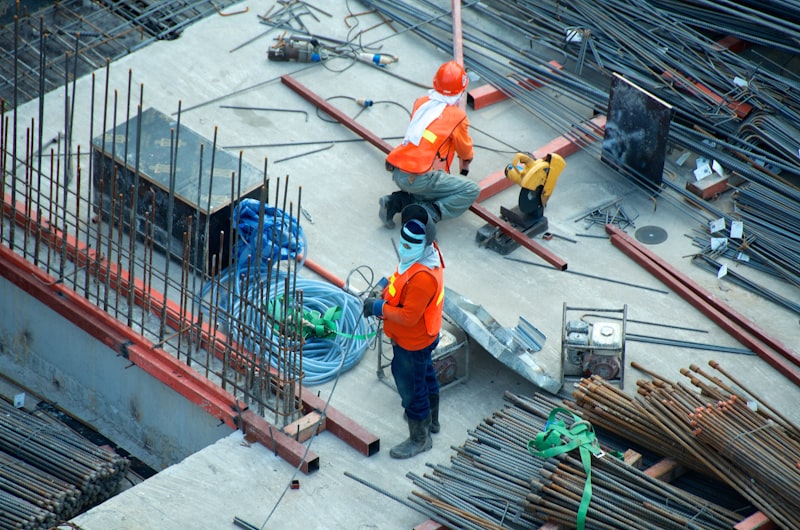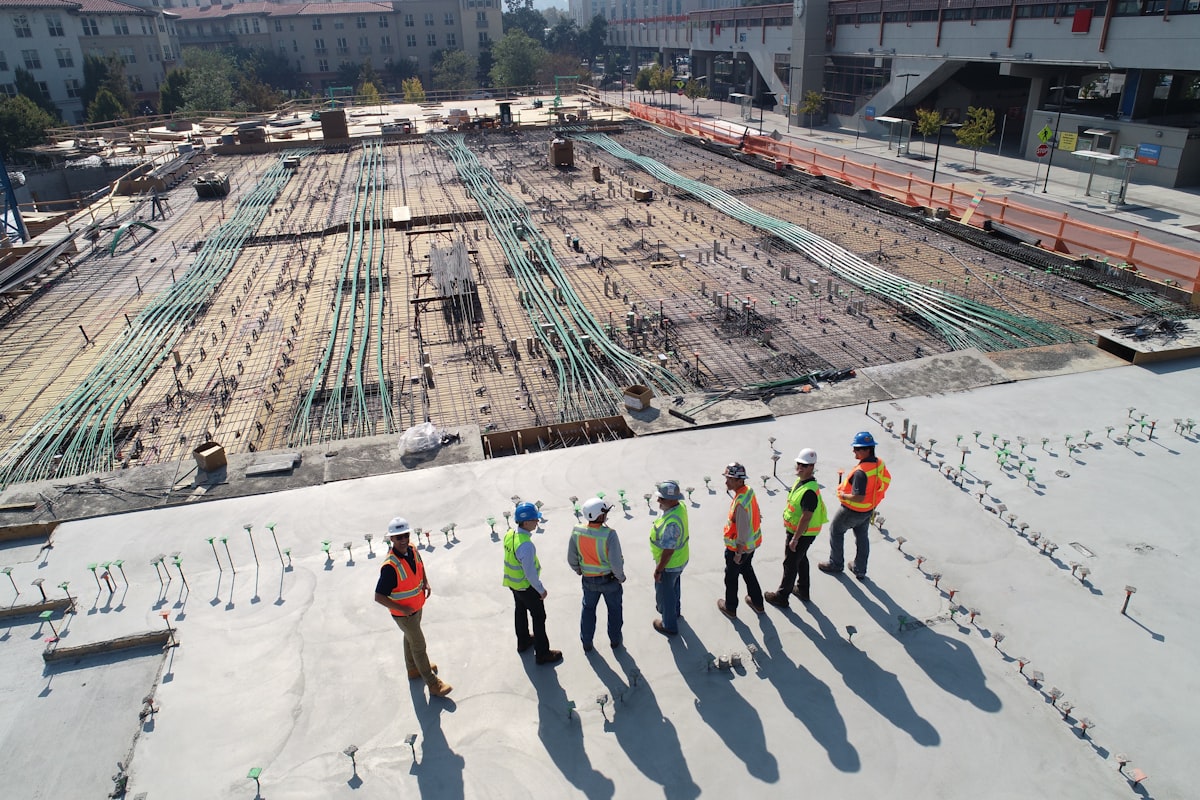
You started building years ago. Then life happened. Money ran out. Trust was broken. The project stalled. Now you are looking at a half-finished structure and wondering if you should continue or walk away.
The Rescue Plan
Step 1: Honest Assessment
Document everything. Take photos, gather all contracts, receipts, and communications. Know exactly where you stand.
Step 2: Structural Evaluation
Get a structural assessment. Is the existing work sound? Has the partial structure been affected by weather and time? This determines if continuation is even viable.
Step 3: Budget Reassessment
Costs have likely increased since you started. Get fresh quotes for completing the work. Budget 20-30% more than initial estimates.
Step 4: Decide on Contractor
Sometimes the relationship is too damaged. Decide if you want to continue with the same contractor or start fresh. New contractors may charge more to take over, but may deliver better.
Step 5: Phased Approach
A phased approach often works best for stalled projects. Start with essential structural work before moving to finishes.
Every stalled project can be rescued. The question is whether the cost of completion is worth the investment.
Is It Worth Continuing?
Calculate the total cost to complete versus the current value of the property if finished. If completion costs exceed 70% of finished value, consider selling the incomplete structure and starting fresh elsewhere.
Why Projects Stall and How to Get Yours Moving Again
If you are reading this, chances are your building project in Ghana has ground to a halt. The foundation has been sitting unfinished for months, or the walls are half-built and the workers have disappeared. You are not alone. This is one of the most common experiences for Ghanaians building from abroad, and understanding why it happens is the first step toward getting back on track.
Common Reasons Projects Stall
Funding Gaps – This is the number one cause. You start the project when the exchange rate is favourable, transfer some funds, construction begins, and then life expenses back abroad take priority. The money dries up before the building is finished. A project that was supposed to take six months stretches into three years because funding comes in fits and starts.
Contractor Abandonment – Some contractors take on too many projects at once. Others use your funds to finance another client’s build. When cash flow stops or they lose interest, they walk away. Without a proper contract, you have little recourse and may not even know where they went.
Material Price Increases – The price of cement, steel, and blocks in Ghana can shift significantly within a few months. If your budget was tight from the start, a 20-30% increase in material costs can bring everything to a standstill. You simply cannot afford to continue at the original rate.
Legal Disputes – A neighbour claims your boundary is wrong. A family member disputes ownership of the land. Someone brings a court injunction. These situations can freeze a project indefinitely while you sort out the legal mess, often at significant cost.
Design Changes – You decide mid-build that you want an extra room, a bigger kitchen, or a different layout. Every change requires new calculations, new material orders, and often tears down work already completed. Indecision is expensive.
Steps to Restart Your Project
Step 1: Assess the Current State – Before you send another cedi, you need to know exactly where things stand. Commission a detailed report. Ask someone you trust to visit the site and take photographs and videos of everything. What has been completed? What materials are on site? What condition is the existing work in? Do not skip this step.
Step 2: Structural Assessment – Hire a qualified structural engineer to evaluate what has been built. Even if the walls look straight and the foundation looks solid, there could be issues with reinforcement, concrete quality, or ground conditions that are not visible. This assessment will tell you whether you can build on what exists or whether部分 needs to be demolished and redone. An investment of a few hundred cedis now can save you thousands later.
Step 3: Re-Budget Realistically – Get current material prices. Get current labour rates. Add a proper contingency. Be honest about what you can afford and create a phased plan that matches your actual financial capacity, not your wishful thinking. It is better to budget for a complete ground floor over twelve months than to plan a two-storey house and only finish the foundation.
Step 4: Find a New Contractor (If Needed) – If your previous contractor abandoned you, do not rush into hiring the first person available. Ask for references and actually contact them. Visit projects they have completed. Insist on a detailed contract with milestone payments tied to actual progress. Never pay large sums upfront without a clear schedule of deliverables.
Step 5: Create a Phased Timeline – Break the remaining work into clear phases. Phase one might be foundation and blockwork. Phase two might be roofing. Phase three might be plastering and electrical. Each phase should have its own budget and timeline. This way you can pause between phases if needed without having an unfinished mess exposed to the elements for years.
Preventing Future Stalls
The best way to deal with a stalled project is to prevent it from stalling in the first place. Set up a dedicated account for your building project and contribute to it consistently. Establish clear payment milestones in your contract. Communicate with your contractor weekly through photos and video calls. Have a contingency fund of at least 15-20% of your total budget. And most importantly, be realistic about what you can achieve with your available resources. A small house completed is infinitely more valuable than a large house that remains a skeleton forever.